Infectious disease physicians are in critically short supply. More than 80 percent of U.S. counties lack a single infectious disease (ID) specialist, even as infectious disease diagnoses remain a leading cause of hospitalization across all age groups. In fact, infectious diseases account for four of the top ten reasons patients are admitted to hospitals nationwide.
For common but high-risk infections such as sepsis, pneumonia, and complicated urinary tract infections, delays in expert infectious disease management can lead to longer hospital stays, higher complication rates, and increased costs. The impact is especially pronounced in rural and community hospitals, where access gaps are most severe.
A growing body of research shows that early involvement of infectious disease specialists improves outcomes, including lower mortality rates, shorter lengths of stay, and reduced readmissions. When ID expertise is integrated into multidisciplinary care teams from the start, patients benefit, and hospital performance improves.
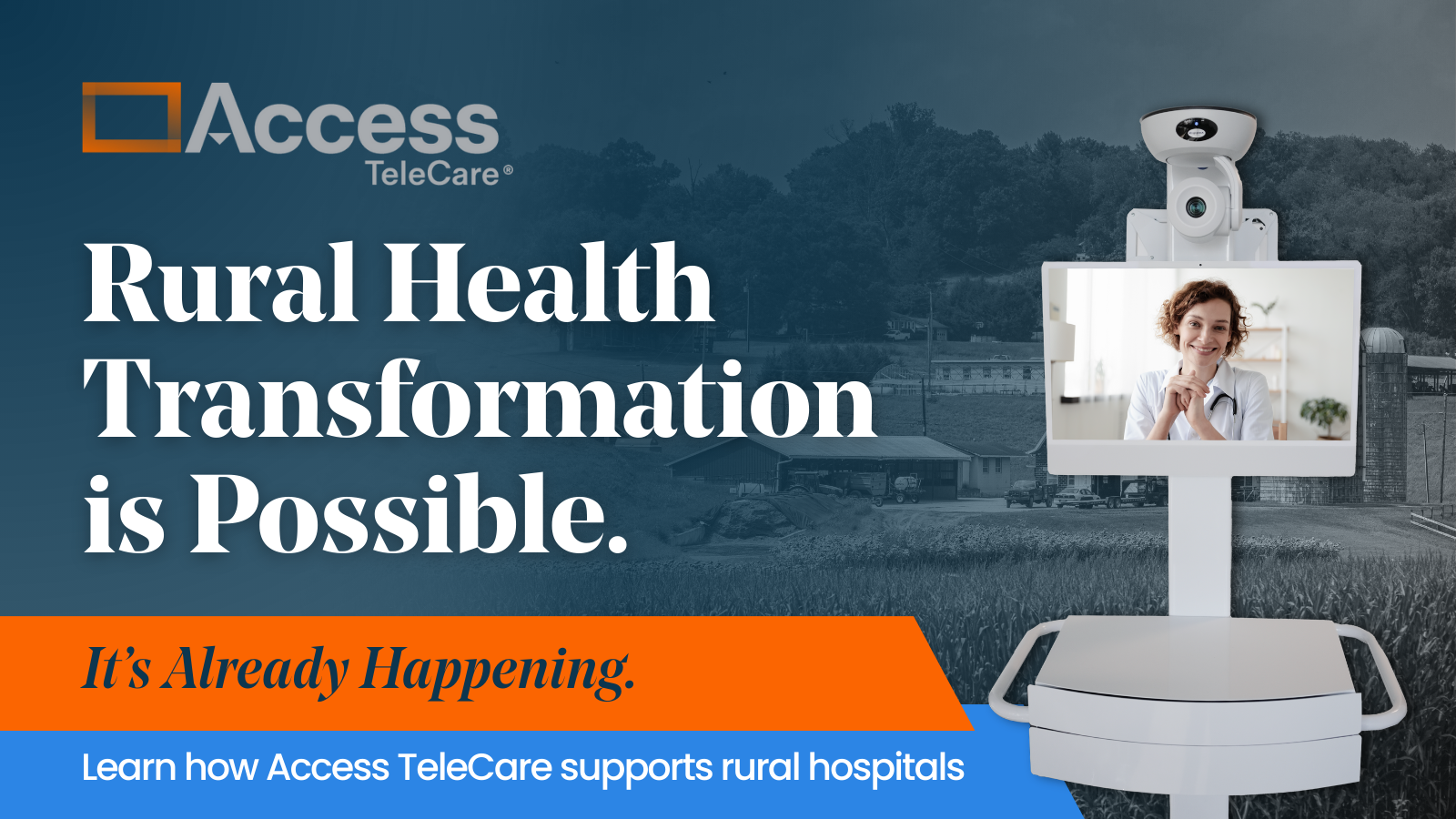
Through its partnerships with hospitals and health systems of all sizes, Access TeleCare fills the need-supply gap without requiring costly, long-term physician recruitment. Virtual infectious disease expertise is embedded directly into existing clinical and operational workflows, making specialist consultation available when and where care teams need it.
How TeleInfectious Disease Works
Access TeleCare positions care teams to quickly provide a reliable ID specialist at the bedside and in consultation with other specialists to accurately diagnose and guide treatment for patients with viral, bacterial, fungal, or parasitic infections, including:
- HIV/AIDS
- Bloodstream infections
- Post-surgical infections
- Tuberculosis
- Pneumonia
- Zoonotic diseases
Hospitals are supported by a dedicated pod of virtual ID physicians who round with on-site teams and are available for consultation with clinicians across specialties. These physicians work within the hospital’s established workflows and are accountable to local quality metrics and operational standards.
The program provides timely access to infectious disease expertise without adding staffing burden. Virtual ID physicians collaborate in real time with on-site physicians, nurses, pharmacists, and care teams, reviewing lab results, imaging, clinical history, and key factors such as travel or pathogen exposure history to guide an accurate diagnosis and evidence-based treatment plans.
“Infectious disease care is rarely straightforward,” said Jade Le, M.D., chief of infectious disease. “You need context, collaboration, and timely decision-making. Virtual care allows us to bring that expertise to the bedside immediately, even in settings where on-site ID coverage simply isn’t feasible.”
This approach is designed to integrate seamlessly into daily operations.
“Our goal is not to disrupt how hospitals function, but to strengthen it,” said Chris Gallagher, M.D., founder and chief strategy officer. “We deliver specialty care in a way that feels native to the clinical environment and supports the teams already providing care.”
Access TeleCare’s teleInfectious Disease program provides timely access to board-certified ID physicians who work directly with on-site physicians, nurses, pharmacists, and other clinicians. These specialists guide the diagnosis process by collecting extensive patient information, such as travel history, as well as lab and other test results and formulate treatment plans, all while supporting on-site clinicians in real time — without adding staffing or operational burden.
Optimizing Judicious Use of Antibiotic Therapies
TeleInfectious Disease specialists also play a critical role in antibiotic decision-making. Virtual infectious disease physicians work closely with pharmacists and clinical teams to ensure antibiotics are used appropriately, reducing unnecessary exposure and limiting the risk of antibiotic resistance.
In ICU settings, incorporating infectious disease expertise into multidisciplinary rounding has been shown to reduce days of antibiotic therapy and lower drug-related costs, while maintaining high standards of patient safety and care quality.
A True Extension of the Care Team
At its core, teleInfectious disease is about reliability and trust. Hospitals should not have to worry about whether infectious disease expertise is available when complex cases arise.
“With virtual infectious disease coverage, hospitals gain consistent access to specialists who understand their environment, their patients, and their standards,” Dr. Le said. “It allows local teams to practice with confidence, knowing expert support is always within reach.”
By extending infectious disease expertise beyond physical walls, Access TeleCare enables hospitals to deliver timely, high-quality care for complex patients — without the operational strain of maintaining on-site specialty coverage.